
by blakelapides
Share
Share

How AI Search Actually Works
When you search Google, it crawls your website, indexes your pages, and ranks you based on hundreds of signals. You can see where you rank. You can optimize for it. AI assistants work differently. They don’t rank pages – they build an understanding of what businesses exist, what they do, and whether they’re credible. When someone asks ChatGPT for a recommendation, it draws on that understanding to answer. Your website either factors into that understanding, or it doesn’t. Whether it does comes down to a handful of specific technical factors that most older websites are simply missing.Why Older Websites Are Often Invisible to AI
Here are the most common reasons a legitimate, well-built business website doesn’t show up in AI recommendations: AI crawlers are being blocked. Your website has a file called robots.txt that tells crawlers which parts of your site they can access. Many older sites have settings that accidentally block AI crawlers like GPTBot (ChatGPT) and ClaudeBot (Claude) – meaning those AI systems literally cannot read your site. No schema markup. Schema markup is a behind-the-scenes code layer that tells AI systems in plain, machine-readable terms: “this is a business, here’s its name, here’s what it does, here’s where it’s located.” Without it, AI has to guess – and often gets it wrong or skips you entirely. No llms.txt file. This is a newer standard (think: robots.txt for AI) that gives AI crawlers a prioritized guide to your site’s content. Most sites don’t have one. Adding it tells AI systems which of your pages actually matter. Vague or missing page information. AI systems rely heavily on clear, structured signals: descriptive page titles, meta descriptions, proper heading structure. Sites that were built without these – or where they’ve drifted over time – give AI very little to work with.This Isn’t a Redesign – It’s a One-Time Fix
The good news: fixing AI visibility doesn’t require a new website, a new design, or an ongoing SEO retainer. These are technical improvements – most of them invisible to your visitors – that can be implemented in a few days. Once they’re done, they’re done. AI crawlers will be able to access your site, understand your business, and include you in relevant recommendations.Find Out Where You Stand – Free
Not sure if your site has these issues? Run a free AI visibility audit. Enter your URL and we’ll check 9 specific signals in about 15 seconds – no signup required. Run your free AI visibility audit ? You’ll get a score out of 100, a breakdown of exactly what’s missing, and an estimate of what it would cost to fix. Most small business sites score between 20 and 50. If yours does, you’re not alone – and it’s fixable.What AI Search Optimization Includes
BKL Digital’s AI Search Optimization is a one-time, flat-fee service that covers everything your site needs to be visible in AI search:- Robots.txt audit and AI crawler unblocking
- llms.txt creation and implementation
- Schema markup (Organization or LocalBusiness) implementation
- Sitemap verification and submission
- Title tag and meta description review and optimization
- PDF report of all changes made

GEO — Generative Engine Optimization — is the new discipline of getting your brand cited in AI-generated search answers. Here is what it is, why it matters, and how to build a strategy today.
AI engines are the new referral machines — and leads from LLM citations convert 2 to 6 times higher than other channels. Here is how to earn your place in the answer.
Google AI Overviews are reshaping how customers find local businesses. Here is what is changing, what the data shows, and how to make sure your business does not get buried.
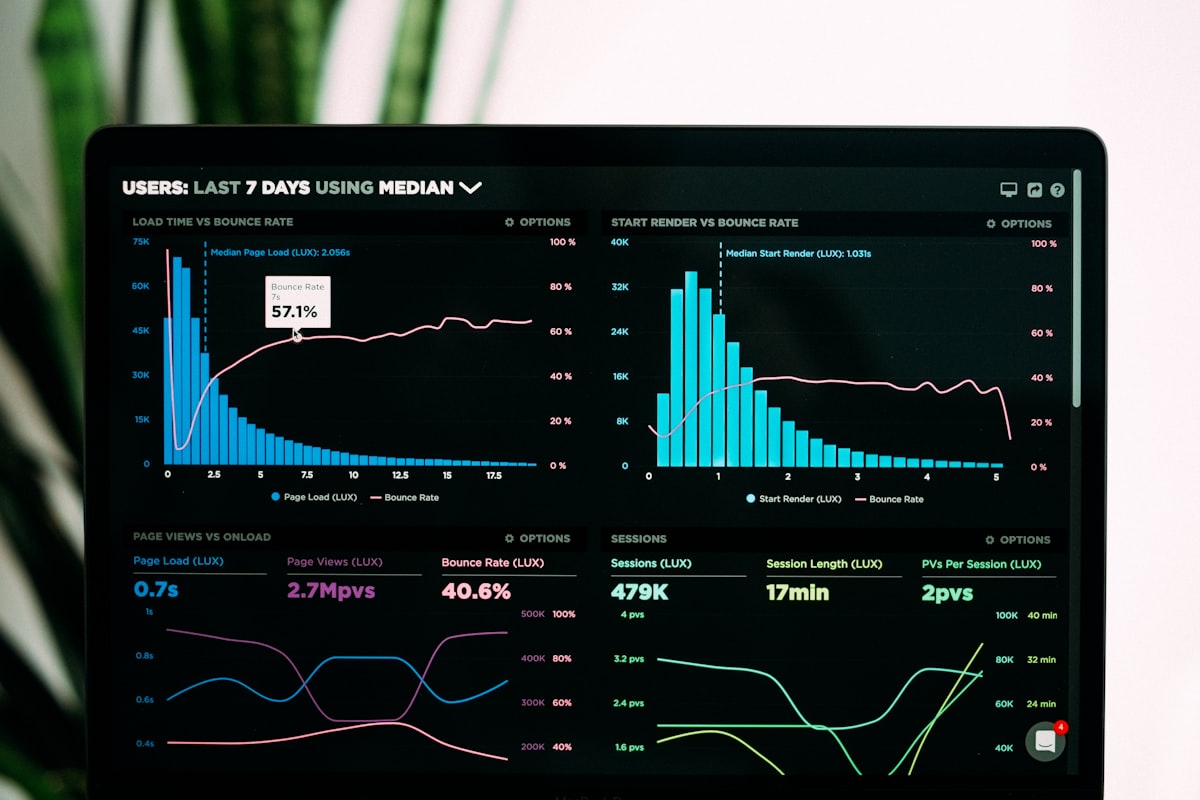
Traditional SEO tactics are producing diminishing returns. The rules have changed — not disappeared. Here is the honest breakdown of what still works, what does not, and what you need to add to your strategy.
